


Localized & Temporary Supply Chain Challenges
Because of higher than normal seasonal demand and delays on major supply routes—including the Dixie Pipeline and rail deliveries affected by weather—propane supplies are temporarily limited across our region. To manage this, pipelines are using a process called “allocation,” which simply means propane is shared as fairly as possible when supply is tight. This is affecting all propane companies in the area, including Superior, and everyone is receiving fewer rail deliveries than usual.
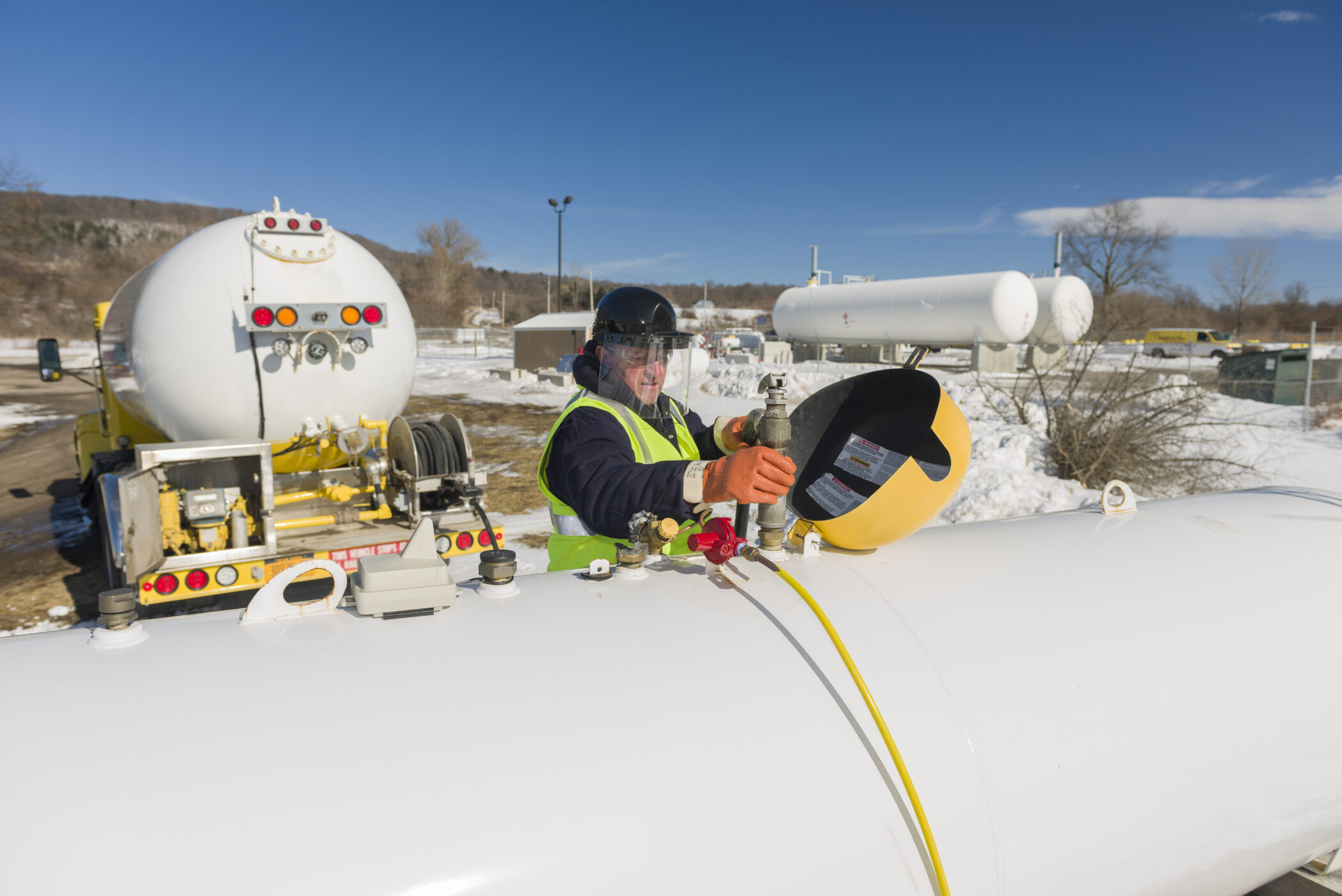
WHAT THIS MEANS FOR YOU:
- Deliveries may take longer. We are using more trucks and working closely with our transportation partners to bring propane in by road. However, the severe weather and poor road conditions are also slowing down drivers and making deliveries harder.
- You may notice delays, and sometimes we may only be able to provide partial fills so we can continue serving as many homes as possible. This situation is temporary, and as soon as weather and supply conditions improve, we will return to normal delivery schedules.
Our supply and operations teams are working closely with national partners, including the National Propane Gas Association (NPGA), to manage these constraints and maintain reliable access to product.
We will continue sharing updates here on this page so you can stay informed.
Frequently Asked Questions About the Shortage
The industry is experiencing temporary supply chain constraints due to reduced rail car service, cold weather, and higher demand. Severe weather and poor road conditions are also affecting delivery timing.
No. All propane suppliers in the region are affected by reduced rail shipments tied to cold-weather constraints.
Delivery timing may be slower than normal due to supply chain delays and extended wait times.
During high-demand periods, partial fills help ensure we can continue providing service to all customers until supply stabilizes.
This is temporary. As weather and supply conditions improve, we will return to normal delivery patterns.
We will post updates on our website.
Please place an order when your tank reaches 30%, especially if propane is used for primary heat.
It’s wise to have an emergency indoor approved backup heat source, such as a space heater.
Covering a propane tank traps cold air and blocks the natural warmth of sunlight, which can worsen pressure issues. Tanks should always remain uncovered and free of snow.
No. Open flames or electrical heating devices near a propane tank are extremely dangerous. Incidents involving attempts to “heat” tanks are not uncommon and can lead to fires or explosions.
We do everything possible to prevent this. If it happens, call us immediately—we’ll make you our top priority. In some cases, we’ll need to perform a leak check for safety, which means someone must be home when the technician arrives.
We’re here for you 24/7. If you ever experience an emergency—such as a propane leak, loss of heat, or urgent delivery need—please call our toll-free number at 1-855-804-FUEL (3835). Our dedicated team is available around the clock to keep you safe and comfortable.
We will continue to post updates here, on this page.
Cold Weather Tips for Propane Conservation & Tank Safety
CONSERVING PROPANE
- Avoid using propane for non-essential, non-heating appliances (e.g., fireplaces or clothes dryers) during supply-limited periods.
- Limit generator use. Backup generators consume large amounts of propane quickly. Conserve electricity and run generators only for essential needs.
- Turn down the thermostat to conserve propane and extend your supply.
TANK & SYSTEM SAFETY
- Do not cover your propane tank. Covering it traps cold air and prevents sunlight from naturally warming the propane inside.
- Keep snow off your tank. Snow buildup can insulate the tank and worsen pressure issues.
- Keep the regulator free of ice and snow. Never pour water on the regulator—clean it gently by hand.
- Never use open flames or electrical devices near a propane tank. Attempting to warm or heat a tank is extremely dangerous.
- Maintain clear access to your tank. Ensure the path from your property entrance to the tank is safe and unobstructed to support delivery and reduce risk.