
 For Your Home
  For Your Business
  Other Services
 Underground Propane Tanks: What You Need to Know

When choosing propane for your home, one important decision is whether an underground or above-ground propane tank is the right fit for your property. The right choice depends on your property layout, budget, propane usage, tank size, aesthetic preferences, local requirements, and site conditions. In some cases, an underground tank may not be recommended due to factors such as flooding risk, high water tables, access limitations, or other installation considerations.
This guide explains how underground propane tanks work, how they compare to above-ground tanks, what to know about propane tank installation, and how to decide whether an underground tank is the right option for your home.
What Is an Underground Propane Tank?
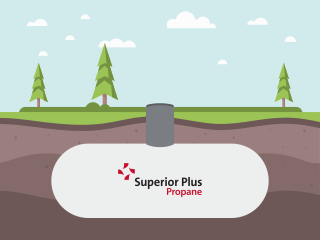
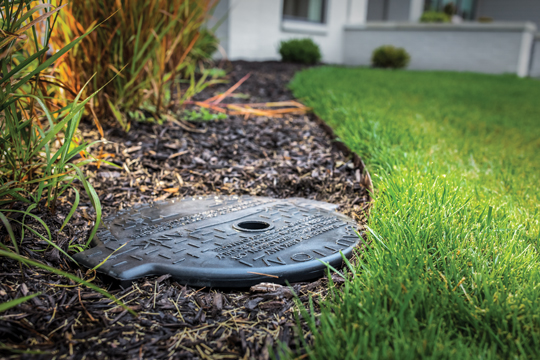
An underground propane tank is a propane storage tank designed to be buried below ground, with only the tank dome or access cover visible above the surface. Underground propane tanks are commonly used by homeowners who want reliable propane service without a visible above-ground tank on the property.
Like above-ground tanks, underground tanks store liquid propane for appliances such as heating systems, propane fireplaces, water heaters, pool heaters, generators, or other home appliances. However, underground installation requires specific placement, excavation, and professional installation considerations.
Underground vs. Above-Ground Propane Tanks
Underground and above-ground propane tanks can both provide dependable propane storage, but each option has different installation, access, and property considerations.
| Factor | Underground Propane Tank | Above-Ground Propane Tank |
|---|---|---|
| Appearance | Mostly hidden, with only the dome visible | Visible on the property |
| Cost | Typically higher due to excavation and added installation needs | Often lower upfront due to less site preparation |
| Installation | More involved, with underground placement and additional preparation | Usually simpler to install and access |
| Maintenance | Accessed through the dome and service points | Easier to visually inspect and service |
| Weather Exposure | Better protected from extreme outdoor temperatures | Exposed to weather and outdoor conditions |
Neither option is always better than the other. An underground propane tank may be a good fit when appearance and space-saving placement are priorities, while an above-ground tank may be preferred when lower upfront cost, simpler installation, and easier access are more important.
Pros of Underground Propane Tanks
Underground tanks can be a good option for homeowners who want reliable propane storage with less visible equipment on their property. Once installed below the surface, only the dome or access cover is typically visible above ground.
Underground placement can also help reduce exposure to many outdoor weather conditions. With proper installation, protective coating, inspections, and maintenance, underground propane tanks can support long-term propane storage for whole-home fuel needs.
Key benefits may include:
- A cleaner yard appearance
- Less visible propane equipment
- Protection from many weather-related conditions
- Long-term propane storage for whole-home fuel needs
- A discreet setup for homeowners who do not want a visible propane tank
A 500-gallon or 1,000-gallon underground propane tank may be considered for homes with higher propane usage, depending on appliances, heating needs, and available space. Superior Plus Propane can help determine the right propane tank size for your property.
Cons of Underground Propane Tanks
Underground propane tanks are not the right fit for every property. They typically involve more installation planning than above-ground tanks and may require additional consideration for long-term service access.
Potential drawbacks may include:
- Higher upfront cost compared with many above-ground tanks
- Excavation and additional installation requirements
- A more involved installation timeline
- Property space, access, and placement limitations
- Maintenance access through the tank dome rather than full exterior visibility
- Possible site limitations, such as flooding risk, high water tables, drainage issues, or other property conditions
These considerations do not necessarily make underground tanks a poor choice. They simply mean homeowners should review their options with Superior Plus Propane to determine which tank setup best fits their property, propane needs, and service requirements.
Underground Propane Tank Installation Requirements
Underground propane tanks have specific installation requirements because they are buried below the surface. Not all propane tanks are designed for underground placement, and the right option depends on tank size, property conditions, local code, access, and installation type.
Tanks used for underground installation are usually 500 gallons or larger, although 250-gallon tanks can sometimes be installed underground. Larger tanks require a larger excavation area, so the property must have enough available space for safe installation, service access, and delivery access.
Underground tanks up to 2,000 gallons must generally be installed at least 10 feet from buildings and property lines, along with meeting other applicable placement, access, and local code requirements. They also cannot be placed where vehicles may drive over them, such as driveways or other vehicle access areas.
Superior Plus Propane can evaluate the site and determine whether an underground tank may be an option for your home. Underground propane tank installation must be completed by a licensed professional and should never be treated as a DIY project.
During the installation process, your propane provider may also review:
- Soil conditions and drainage
- Delivery and service access
- Distance from the home, appliances, property lines, and other required clearances
- Tank dome placement for inspections and tank level checks
- Whether smart tank monitoring or other service tools are available for the setup
- Tank specifications, including capacity, protective coating, and placement requirements
How Much Does an Underground Propane Tank Cost?
An underground propane tank typically costs more to install than an above-ground tank because it requires excavation and additional site preparation.
Cost factors may include:
- Tank size and gallon capacity
- Excavation and site preparation needs
- Soil and property conditions
- Permit or code requirements
- Delivery and installation access
- Additional propane service setup for heating, hot water, propane fireplaces, or other appliances
Every property is different, and exact costs can vary. Superior Plus Propane can help review your propane needs and recommend next steps for installation.
How Long Does an Underground Propane Tank Last?
Underground propane tanks can last 30 to 40 years, depending on installation quality, soil conditions, protective coating, inspections, and maintenance.
With proper installation and ongoing maintenance, an underground propane tank can provide long-term fuel storage for homes using propane for heating, water heating, generators, pool heaters, and other appliances. Homeowners should follow inspection and maintenance guidance from their propane provider to help support safe, reliable service.
Is an Underground Propane Tank Right for You?
An underground propane tank may be a good fit if you:
- Want to keep your propane tank mostly out of sight
- Have enough yard space for underground tank installation
- Prefer a cleaner-looking landscape
- Need long-term propane storage for multiple appliances
- Are comfortable with a more involved installation process
An above-ground tank may be a better fit if you want a simpler installation, lower upfront cost, or easier visual access for service. If you are comparing underground tanks or above-ground tanks, Superior Plus Propane can help evaluate your property and recommend the setup that makes the most sense for your home.
Underground Propane Tank FAQs
Yes. Certain propane tanks are designed and approved for underground installation. Not all propane tanks can be buried, so homeowners should work with a licensed propane professional to choose the correct tank and placement.
Yes. Underground propane tanks are safe when they are properly installed, inspected, and maintained by licensed professionals. Propane safety depends on correct placement, access, installation, and ongoing service.
Underground propane tanks are specifically designed for below-ground use. Many underground installations use larger tanks, such as a 500-gallon underground propane tank or larger, depending on the property and propane usage.
Underground propane tanks are better for some properties, but not all. They offer appearance and temperature protection benefits, while above-ground tanks are often easier and less expensive to install, inspect, and maintain. Underground tanks may not be recommended in areas with flooding risk, high water tables, access limitations, or other site conditions.
Not always. Underground propane tanks require enough space, proper access, suitable soil and drainage conditions, and compliance with local installation requirements. Properties with flooding risk, high water tables or other site limitations may not be good candidates for underground installation. Superior Plus Propane can evaluate your property and help determine the right tank setup.